
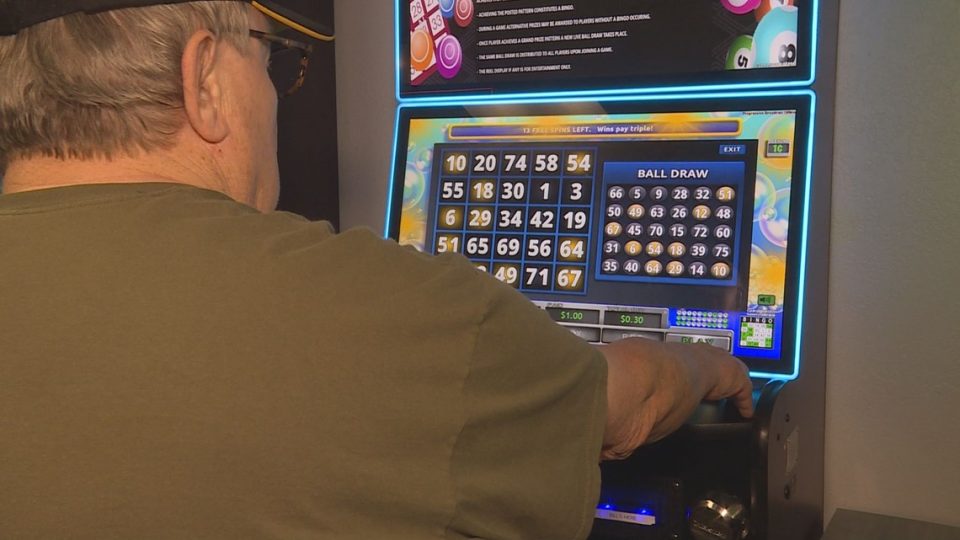
Bingo has been around for decades, yet its charm has never faded. From church halls and community centers to massive online platforms, bingo continues to attract players of all ages. Its blend of simplicity, anticipation, and social interaction makes it one of the most enduring games of chance. To appreciate the full picture, it’s essential to understand its history, rules, cultural significance, strategies, and modern adaptations. Whether you’re playing casually or looking to maximize your chances, bingo offers layers of enjoyment that go beyond just marking numbers.
The Origins and Evolution of Bingo
Bingo has roots that stretch back to 16th-century Italy, where a lottery-style game known as “Il Gioco del Lotto d’Italia” began in 1530. Over time, the game spread through France and Germany, evolving into a social pastime and even a teaching tool for children. By the 20th century, it had reached the United States, where it became widely popular under the name we know today.
In America, the game was initially called “Beano,” because players used beans to mark their numbers. The story goes that one excited player accidentally shouted “Bingo” instead of “Beano,” and the name stuck. From that moment, bingo cemented itself in popular culture, especially in community gatherings and fundraising events.
Understanding the Basics of Bingo
At its core, bingo is straightforward. Players receive a card with a grid of numbers. A caller announces random numbers, and players mark the ones appearing on their cards. The objective is to complete a winning pattern before anyone else.
Common Bingo Formats
-
75-Ball Bingo: Popular in the USA. The card has a 5×5 grid with the word “BINGO” at the top, and each column contains a specific range of numbers.
-
90-Ball Bingo: Widely played in the UK and internationally. It uses a 9×3 card layout with more possibilities for different line wins.
-
80-Ball Bingo: A modern version that uses a 4×4 grid, often found online, offering creative patterns and variations.
Winning Patterns
Winning isn’t always about completing a full card. Common patterns include:
-
A single line across, down, or diagonal
-
Multiple lines (two or more)
-
Special shapes like “X” or four corners
-
Full house (covering the entire card)
The Social Element of Bingo
Bingo is more than just a game of chance. Its biggest appeal lies in the community atmosphere. Traditionally, bingo nights became social gatherings where players could chat, laugh, and bond while waiting for numbers. Even with the rise of online bingo, platforms now include chat features and interactive rooms to preserve that sense of togetherness.
This social element is a driving force behind bingo’s staying power. For many, it’s less about the prize and more about being part of a group with shared excitement.
Bingo in the Digital Age
Technology has transformed bingo in remarkable ways. Online platforms offer various bingo rooms, themes, and jackpots, making the game accessible anytime and anywhere. Mobile apps have made it even easier, allowing players to jump into a game within seconds.
Online bingo also introduces progressive jackpots, themed events, and mini-games that enhance entertainment value. Players no longer need to wait for a local bingo night; they can play instantly with thousands of others worldwide.
Strategies to Improve Your Chances
Although bingo is fundamentally luck-based, players often use strategies to improve their odds and enjoyment.
1. Card Selection
-
Choose cards with diverse number distributions to reduce overlap.
-
In 90-ball bingo, opt for multiple cards to increase coverage.
2. Play at Off-Peak Times
-
Fewer players mean better odds of winning since there’s less competition.
3. Stay Alert
-
Missing a number could cost you a win, so concentration is vital.
-
In online bingo, auto-daub features help ensure no number goes unnoticed.
4. Budget Management
-
Set a budget and stick to it. Bingo should remain fun, not stressful.
-
Playing responsibly ensures the thrill stays enjoyable without financial risk.
5. Join Promotions
-
Many bingo platforms offer bonuses, loyalty programs, and free games.
-
Taking advantage of these can stretch your playtime and enhance winning opportunities.
The Appeal of Bingo Across Generations
One of bingo’s unique strengths is its multi-generational appeal. Older players appreciate its simplicity and nostalgic feel, while younger audiences are drawn in by themed online versions, fast-paced games, and interactive features. This balance of tradition and modernization ensures bingo remains timeless.
Bingo as a Fundraising and Community Tool
Beyond entertainment, bingo has long been used for charitable purposes. Non-profits, schools, and community organizations host bingo nights to raise funds in an engaging way. The low barrier to entry and universal appeal make it an ideal event for large gatherings, combining fun with purpose.
Misconceptions About Bingo
Many assume bingo is only for older generations or that it’s purely a casual game. In reality:
-
Bingo attracts a wide demographic, especially with online versions.
-
Some players adopt disciplined strategies, treating it seriously.
-
The excitement and anticipation rival any other game of chance.
The Psychological Thrill of Bingo
Part of bingo’s magic lies in the anticipation factor. Each number called builds suspense, and players experience mini dopamine hits with every match. The possibility of being just one number away adds intensity that keeps players hooked. This psychological rush explains why bingo maintains long-term popularity.
Frequently Asked Questions
Is bingo just a game of luck?
Yes, bingo is largely based on chance, but strategy in card selection, timing, and budgeting can improve your overall experience and odds.
How many cards should I play at once?
It depends on your comfort level. Beginners may prefer one or two cards, while experienced players often handle multiple. Online platforms often make managing several cards easier.
What’s the difference between 75-ball and 90-ball bingo?
75-ball bingo uses a 5×5 grid and is common in the USA. 90-ball bingo uses a 9×3 layout, more popular in the UK, with different winning line variations.
Can I play bingo for free?
Yes, many platforms and community events offer free bingo games. Online bingo sites often include free rooms, daily bonuses, and practice sessions.
Is online bingo fair?
Reputable platforms use random number generators (RNGs) to ensure fairness. This technology guarantees that every number called is truly random.
Why does bingo remain popular today?
Its mix of simplicity, community spirit, and anticipation ensures long-lasting appeal. The transition to online and mobile platforms has also opened the game to a new generation of players.
