
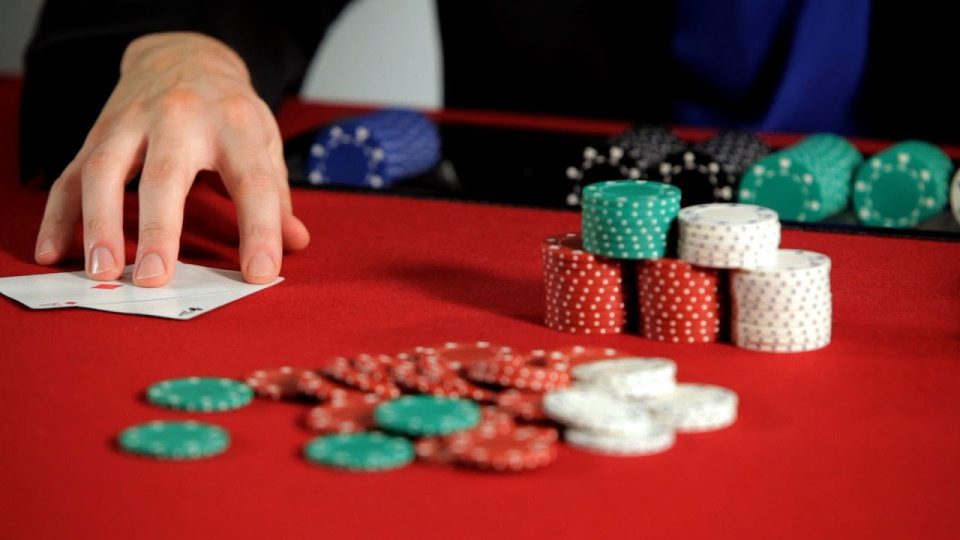
Poker isn’t just about cards, chips, and odds. It’s also a social game built on mutual respect, fairness, and smooth gameplay. Whether you’re playing at a home game, a casino, or online, good poker etiquette helps keep the game enjoyable and professional for everyone involved. Below are the essential rules every player should know and follow.
Respect the Game and the Players
Poker etiquette starts with basic respect. Treating others well creates a better atmosphere and avoids unnecessary conflict.
Key points to remember:
-
Be polite, even when emotions run high
-
Avoid mocking, taunting, or belittling other players
-
Win or lose with grace
A calm and respectful table leads to better focus and more enjoyable sessions for everyone.
Act in Turn and Pay Attention
One of the most common etiquette mistakes is acting out of turn. This can influence decisions and disrupt the flow of the game.
Good habits include:
-
Always wait until it’s clearly your turn
-
Keep an eye on the action, even when you’re not in the hand
-
Avoid distractions like excessive phone use
Paying attention shows respect for both the dealer and other players.
Handle Chips and Cards Properly
Proper handling of chips and cards is essential for fairness and clarity.
Best practices:
-
Keep your chips neatly stacked and visible
-
Don’t splash the pot when betting
-
Protect your cards at all times
Clear actions prevent misunderstandings and disputes at the table.
Avoid Discussing Hands in Play
Talking about a hand while it’s still active is a serious breach of poker etiquette.
Never:
-
Comment on possible cards or strategies mid-hand
-
Reveal folded cards prematurely
-
Give advice to players still involved
Even casual remarks can unfairly influence outcomes.
Control Your Emotions
Poker can be intense, but emotional outbursts hurt the game.
Maintain control by:
-
Avoiding anger, shouting, or aggressive gestures
-
Not slamming chips or cards
-
Keeping reactions subtle after big wins or losses
Staying composed reflects professionalism and keeps the game welcoming.
Be Honest and Transparent
Integrity is non-negotiable in poker.
Always:
-
Declare your actions clearly (call, raise, fold)
-
Use clean, unambiguous chip movements
-
Follow the house or platform rules
Honest play builds trust and prevents disputes.
Respect the Dealer and House Rules
Dealers are there to manage the game, not to be targets of frustration.
Proper conduct includes:
-
Listening to dealer instructions
-
Accepting rulings calmly, even if you disagree
-
Following posted rules without argument
If there’s an issue, address it respectfully and at the right time.
Online Poker Etiquette Matters Too
Digital poker comes with its own expectations.
Online players should:
-
Avoid slow-playing every decision unnecessarily
-
Refrain from abusive chat messages
-
Disconnect responsibly when possible
Good manners apply just as much online as they do in live games.
Don’t Slow Down the Game
Time-wasting affects everyone at the table.
To keep the game moving:
-
Make decisions within a reasonable time
-
Be ready when action reaches you
-
Avoid excessive tanking without reason
A steady pace keeps the experience enjoyable for all players.
FAQ: Poker Etiquette Explained
What is the most important rule of poker etiquette?
Respect for other players and the game itself is the foundation of all poker etiquette.
Is it rude to celebrate a big win at the table?
A brief, quiet reaction is fine, but excessive celebration can be considered disrespectful.
Can I use my phone while playing poker?
Occasional use is usually acceptable, but constant phone use that slows the game is frowned upon.
Why is acting out of turn such a big issue?
It can influence other players’ decisions and disrupt the fairness of the hand.
Is talking at the poker table allowed?
Casual conversation is fine, but discussing active hands or strategy during play is not.
How should disputes at the table be handled?
Remain calm and let the dealer or floor staff resolve the issue according to the rules.
Does poker etiquette differ between cash games and tournaments?
The core principles are the same, but tournaments often require stricter adherence due to higher stakes and structured rules.
