
Poker is one of the most fascinating games in the world because it blends skill, probability, psychology, and risk-taking into a single experience. Whether played in casinos, at home with friends, or through digital platforms, poker attracts players who crave both intellectual challenge and the thrill of competition. While many view it as a simple card game, experienced players know that poker is far more complex, demanding sharp decision-making, discipline, and strategic thinking. In this guide, we’ll dive deep into the essentials of poker, exploring rules, strategies, advanced techniques, and the psychological aspects that define the game.
The Origins of Poker
Poker’s roots trace back to the early 19th century in the United States, evolving from European card games like Poque and Primero. It spread rapidly along riverboats and frontier towns, where it became a cultural phenomenon. Over time, it transformed into different variations, with Texas Hold’em eventually becoming the most popular form worldwide.
The Core Rules of Poker
At its foundation, poker revolves around building the strongest five-card hand or convincing opponents to fold through strategic betting. The basic sequence is:
-
Blinds or antes are posted to start the betting pool.
-
Players receive their hole cards (in most versions).
-
Rounds of betting occur, allowing players to check, call, raise, or fold.
-
Community cards (in games like Texas Hold’em and Omaha) or additional draws are revealed.
-
A showdown happens when two or more players remain, comparing hands to determine the winner.
The goal is not always to hold the best cards but to maximize profit through timing, reads, and pressure.
Popular Variants of Poker
Texas Hold’em
The most widely played version, where players combine two hole cards with five community cards to form the best hand. Strategy revolves around position, reading the board, and betting patterns.
Omaha
Similar to Hold’em, but each player receives four hole cards and must use exactly two of them with three community cards. This version creates bigger pots and more action due to stronger possible hands.
Seven Card Stud
Played without community cards, players receive a mix of face-up and face-down cards. Reading opponents becomes especially important in this slower, more methodical format.
Draw Poker
In Five Card Draw, players receive five private cards and can exchange a portion of them in hopes of improving their hand. This is a favorite for casual home games.
Essential Poker Hand Rankings
Understanding hand strength is crucial. The hierarchy from strongest to weakest is:
-
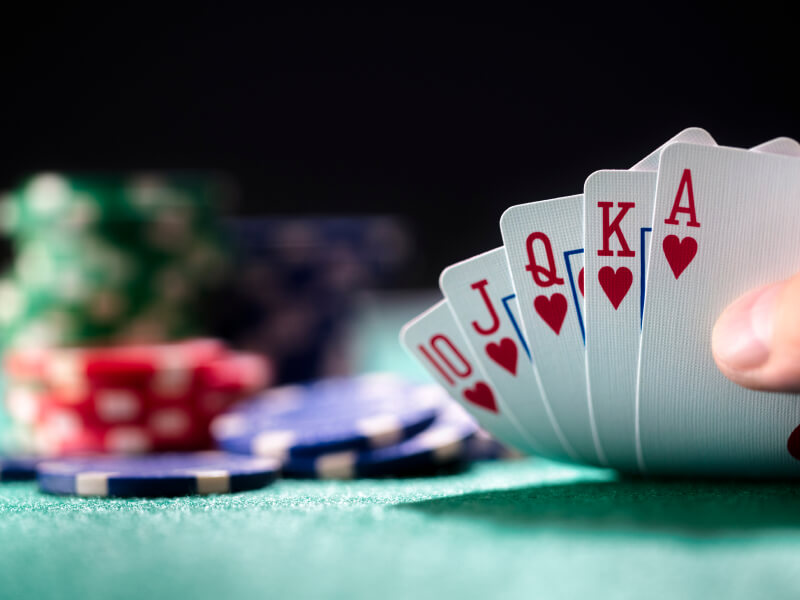
Royal Flush (A, K, Q, J, 10 suited)
-
Straight Flush
-
Four of a Kind
-
Full House
-
Flush
-
Straight
-
Three of a Kind
-
Two Pair
-
One Pair
-
High Card
These rankings never change, regardless of poker variation.
The Importance of Position
Position is often more important than the actual cards in your hand. Acting later in the betting round gives you the advantage of seeing others’ decisions before making your move. A weak hand can be played profitably in late position, while even strong hands should be carefully managed when out of position.
Key Poker Strategies for Success
Play Tight-Aggressive (TAG)
One of the most effective styles, TAG players focus on selective starting hands and bet aggressively when they play. This puts constant pressure on opponents.
Bluffing with Purpose
Bluffing is a defining aspect of poker, but it must be used wisely. Successful bluffs tell a believable story based on board texture and prior betting behavior.
Bankroll Management
Even skilled players can face losing streaks. Smart bankroll management ensures you stay in the game long enough for your skill edge to show.
Reading Opponents
Observing betting patterns, timing, and behavior helps you identify whether someone is strong, weak, or bluffing. This psychological edge can make all the difference.
Advanced Poker Concepts
Pot Odds and Expected Value
Pot odds compare the size of the pot to the cost of a call, helping you decide if a draw is mathematically profitable. Expected Value (EV) calculations guide long-term profitability.
Range Thinking
Instead of putting opponents on one exact hand, advanced players consider the full range of hands they could hold based on actions taken.
Balancing Play
If you only bet when strong, observant opponents will exploit you. Mixing in bluffs and semi-bluffs keeps your play unpredictable.
The Psychology of Poker
Poker is as much about the mind as it is about cards. Tilt, a state of emotional frustration, can lead to reckless decisions. Mastering emotional control is as important as understanding probabilities. Equally, recognizing when opponents are tilting allows you to maximize profit against them.
The Role of Luck vs. Skill
While luck determines short-term outcomes, skill dominates over the long run. The best players consistently outperform average players through superior strategy, patience, and adaptability.
Live Poker vs. Online Poker
Playing face-to-face allows for reading body language and physical tells, while online poker emphasizes math and quick decision-making. Online play also allows multitabling, giving players exposure to more hands per hour.
Etiquette at the Poker Table
Respect and professionalism keep games enjoyable. Key etiquette rules include:
-
Act in turn and avoid slow-rolling.
-
Don’t berate opponents for their play.
-
Protect your cards at all times.
-
Keep chip stacks organized for clarity.
Building a Long-Term Poker Mindset
Poker should be treated like a marathon, not a sprint. Long-term improvement requires study, hand review, and consistent practice. Many players use software to analyze hands, review mistakes, and refine strategies.
FAQ: Real-Life Poker Questions
What is the most common mistake beginners make in poker?
Beginners often play too many hands, ignoring position and hand strength. Learning patience is the first step to improvement.
How do you spot a bluff in poker?
Look for inconsistencies in betting patterns. If the story told by the bets doesn’t align with the community cards, the player may be bluffing.
Is poker more about math or psychology?
Both are equally important. Math ensures you make profitable decisions, while psychology helps you exploit human tendencies.
How do professional players handle losing streaks?
They stick to proper bankroll management and avoid chasing losses. Many take breaks to reset mentally before returning.
Can you really make a living from poker?
Yes, but only with exceptional skill, discipline, and emotional control. Most players should treat poker as a hobby or side income rather than their primary career.
What is tilt, and how do I avoid it?
Tilt is emotional frustration leading to poor decisions. Avoid it by taking breaks, practicing mindfulness, and staying disciplined in bankroll limits.
